

In today’s fast-paced technological world, understanding how to efficiently activate Windows 10 is crucial for businesses and individuals alike. Proper management of software licenses not only ensures compliance but also optimizes resource use. As technology continues to evolve, keeping your operating system activated and up to date becomes increasingly important for maintaining security and access to the latest features. Whether you’re a tech-savvy individual or an IT manager overseeing a complex network, knowing how to activate Windows 10 effectively can save time and prevent headaches down the line.
Understanding the Basics of Activate Windows 10
Windows activation is an essential process that verifies your copy of Windows is genuine and not being used on more devices than the Microsoft Software License Terms allow. When you activate Windows 10, you enable it to run without restrictions. This validation process helps protect against software piracy and ensures that users are receiving legitimate updates and support from Microsoft. Understanding the nuances of this process can also enhance your ability to troubleshoot any issues that may arise during activation.
The Importance of a Product Key
A product key plays a pivotal role in the activation process. It is a 25-character code that helps validate your software’s authenticity. Without a valid product key, attempts to activate Windows 10 may result in activation errors, causing operational disruptions. The product key acts as proof of purchase and is often found on a sticker attached to your computer or within the confirmation email from an online purchase. Knowing where to find this key and how to use it properly is essential for a smooth activation experience.
Methods to Activate Windows 10
There are several methods to activate Windows 10, each suitable for different scenarios. Understanding these can help you choose the right approach for your environment. Selecting the appropriate method for your situation can streamline the activation process and minimize potential issues. From using a digital license linked to your Microsoft account to entering a physical product key during setup, each method has its advantages depending on your specific needs.
Using Digital License
A digital license is a method of activation that doesn’t require entering a product key. Instead, it links your device’s hardware to a digital license, directly associating the Windows installation with your Microsoft account during setup. This method is particularly useful for those upgrading from previous versions of Windows or when activating multiple devices managed under a single account. It offers convenience by eliminating the need for manual entry of lengthy codes.
Product Key Entry
Entering a product key during installation remains one of the most straightforward ways to activate Windows 10. This method requires users to input a genuine product key when prompted during the setup process or within the settings menu under ‘Update & Security.’ Ensuring you have access to this key before starting installation can prevent delays and interruptions. It’s often seen as more traditional but remains highly effective for many users.
Troubleshooting Activation Errors in Activate Windows 10
Encountering activation errors can be frustrating. Common issues include mismatched versions and hardware changes. Tools like the Activation Troubleshooter can help identify and resolve such problems effectively. This tool provides step-by-step guidance for diagnosing and correcting activation issues without requiring extensive technical knowledge, making it accessible even for those who aren’t tech experts.
Mismatched Versions
If you’re trying to activate Windows 10 but have installed an incorrect edition, you’ll likely face activation errors. It’s important to ensure that your product key matches the edition installed on your device. Verifying compatibility before beginning installation can save time and reduce frustration. Awareness of version differences is crucial in avoiding unnecessary complications during activation. To effortlessly activate Windows 10, explore insightful strategies on the official website, kmspico lc, for optimal license management.
Addressing Hardware Changes
Significant hardware changes, such as replacing the motherboard, can trigger reactivation requests. In such cases, using the Activation Troubleshooter often resolves the issue by re-linking your digital license with the updated hardware configuration. Keeping records of hardware changes can facilitate smoother transitions when reactivating after upgrades or repairs. Being prepared with documentation can expedite resolution processes significantly.
The Role of Third-Party Tools in Activate Windows 10
Third-party tools often surface in discussions about activating Windows 10 without a legitimate license. These tools can present risks and ethical dilemmas that outweigh their temporary benefits. While they may offer quick fixes, they compromise security and violate legal agreements. It’s crucial to weigh these factors carefully before considering such options.
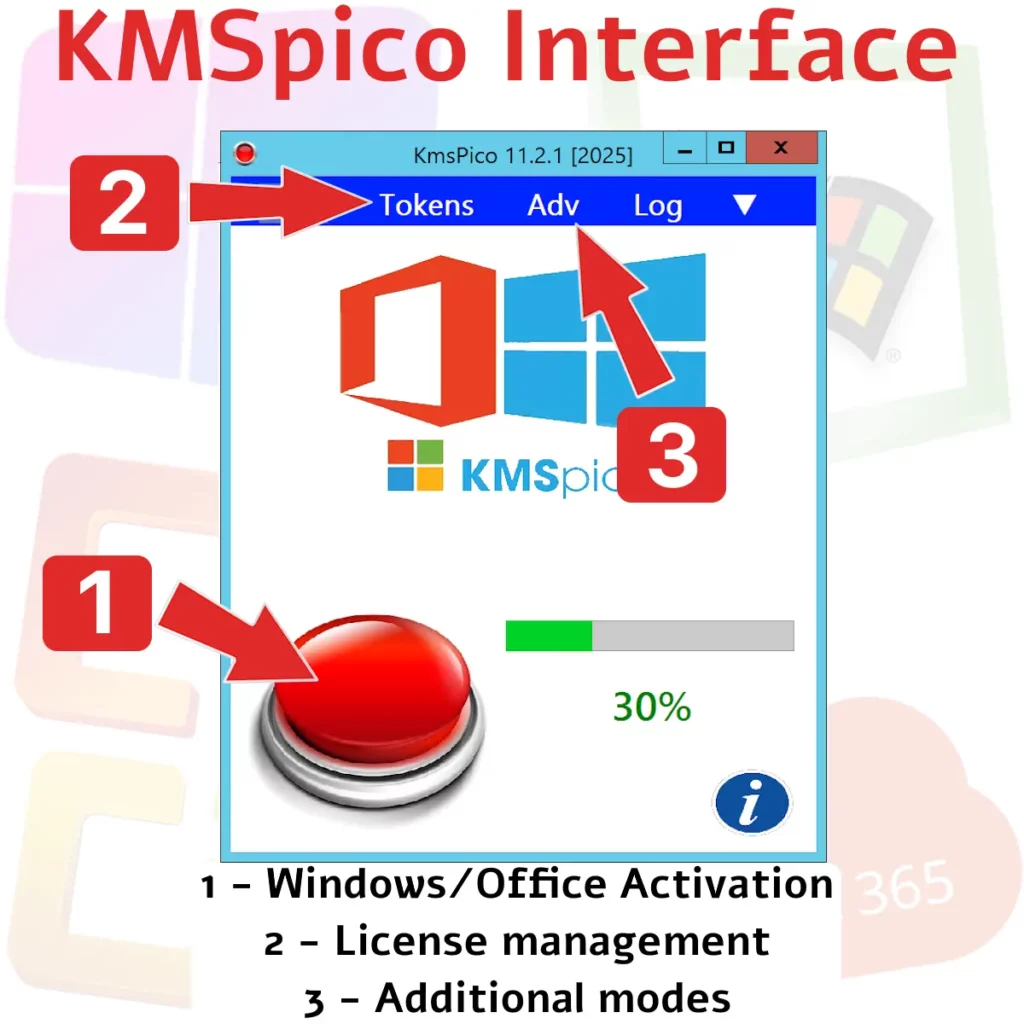
KMSPico Overview
- KMSPico portable and other kms windows activator tools claim to activate pirated versions of software temporarily.
- KMSPico office activator variants also promise similar results for office 2019 activator needs.
- Downloading KMS Pico often requires navigating security risks such as malware or exposure to kmspico password hacks.
The Risks Involved
Using illegitimate activators like KMS Pico poses significant threats, including potential data breaches and exposure to malicious software. Moreover, these methods violate Microsoft’s licensing terms. Legal consequences aside, these risks could lead to compromised data integrity or loss of sensitive information stored on unprotected systems. It’s important to consider long-term impacts over short-term gains when evaluating these options.
Advanced Activation Commands: DISM Tool
For IT specialists managing multiple devices or virtual machines (VMs), using command-line tools like DISM (Deployment Image Servicing and Management) provides powerful capabilities for managing and troubleshooting Windows installations efficiently. These tools support large-scale deployments, ensuring consistent configurations across diverse environments while minimizing manual intervention requirements.
DISM Usage in VM Labs
When working within virtual lab constraints, like VMs configured with 2 vCPUs and 4 GB RAM, DISM commands can assist with various tasks from image servicing to recovery operations without significantly impacting performance. Utilizing DISM effectively requires understanding its command structure and potential applications in both test environments and live deployments, thus enhancing overall productivity in IT settings.
The Path Forward: Best Practices for License Management in Activate Windows 10
Avoiding headaches associated with activating Windows 10 involves adopting industry best practices in license management. These not only ensure compliance but also enhance operational efficiency across IT environments. Proper planning reduces downtime related to licensing issues while maximizing resource utilization—key factors in maintaining seamless operations within any organization.
Implementing Centralized Licensing Solutions
Organizations should consider centralized solutions for managing licenses across multiple systems. This approach simplifies tracking license usage, identifying expiration dates, and ensuring all deployed systems remain compliant with licensing terms. Centralized management supports scalability while reducing administrative overhead related to individual license monitoring—an essential strategy as organizations grow.
Regular Software Audits
Conducting regular audits helps maintain an up-to-date record of software licenses and their utilization within the organization. This proactive approach mitigates risks associated with expired or unauthorized software installations. By regularly reviewing licenses in use versus those purchased, organizations can optimize their IT budgets while avoiding non-compliance penalties—a critical aspect of sustainable business operations.
Navigating the complexities involved in activating Windows 10 requires careful planning and adherence to best practices. By following these guidelines, both individuals and organizations can enjoy seamless operation free from disruptions related to software licensing issues involving how they activate windows 10 effectively amidst evolving technological landscapes—ensuring readiness against future challenges while leveraging current advancements efficiently.